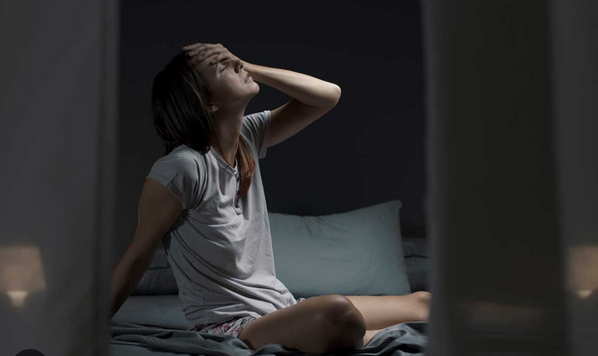
Forecasts point to a La Niña summer with above-average temperatures and high humidity across the Bay of Plenty. Warm, moisture-laden air makes bedrooms feel clammy, raises night-time heart rate, and disrupts deep sleep—even when the thermometer isn’t extreme. The good news: your Mitsubishi heat pump can quietly manage both temperature and humidity so you sleep cooler, drier and longer.
Humidity slows sweat evaporation, so your body can’t shed heat efficiently. A bedroom at 24°C with high humidity feels much hotter than the same room at 24°C that’s been dehumidified. That’s why the most comfortable summer routine targets moisture first, then temperature.
• Dry (Dehumidify) mode prioritises moisture removal with gentle cooling. This reduces that sticky feel without over-chilling the room—ideal for evenings and overnight.
• Cool mode actively drops air temperature. Use it when the room is genuinely hot (late afternoon sun, warm upstairs rooms), then hand off to Dry for the night.
• Pre-dry the bedroom: Run Dry for 45–60 mins before bedtime to pull moisture down early.
• If the room is still warm, switch to Cool for 20–30 mins at 23–24 °C, then back to Dry to maintain comfort.
• Keep doors/windows closed while running the unit; humid air leaking in forces the system to work harder.
• Dry mode set-point: 22–24 °C
• Fan: Low/Auto (quieter and steadier humidity control)
• Air direction: Slightly upward so cool, dry air falls and mixes evenly
• Sleep schedule: Use the on-timer to pre-dry before bedtime; use the off-timer near wake-up if you’re sensitive to morning chill
Pro tip: Avoid on/off bursts. Let the unit maintain a steady set-point—more efficient and better for humidity stability.
• Block late-day heat gain: Close blinds/curtains before peak sun to stop bedrooms from overheating in the first place.
• Ventilate at the right time: If outside air is cooler and drier late at night or early morning, open windows briefly, then close and resume Dry.
• Tackle moisture sources: Use extractor fans after showers, keep lids on boiling pots, and avoid drying laundry indoors.
• Ceiling or pedestal fans: Run on low to circulate conditioned air; moving dry air feels cooler at the same set-point.
Humidity season = more runtime. Keep the system efficient and hushed:
• Clean washable filters every 4–6 weeks (more often in coastal homes or with pets).
• Ask about enhanced filtration (anti-allergen/activated carbon) available for many Mitsubishi models—great for pollen and odours during night-time recirculation.
• Book an annual service: coil cleaning, drain-line flush (critical for dehumidifying), fan balance and a control check.
Sea air accelerates corrosion and can clog fins with salt and sand:
• Gently hose the outdoor coil every 2–3 months (power off first).
• Maintain ~500 mm clearance around the unit for airflow.
• Consider corrosion-resistant brackets/fin coatings and smart placement away from direct sea spray.
Will Dry mode actually cool me down?
A little—but its superpower is pulling moisture out. Most people feel comfortable at a slightly higher temperature once humidity is reduced.
What’s the best bedroom temperature?
Aim for 23–24 °C initially, then let Dry hold a stable, drier room. Many sleepers feel perfect around 24 °C when humidity is controlled.
Should I oversize my unit for humidity?
No. Correct sizing matters. Oversized systems may cycle off too fast and remove less moisture overall.
• Pre-dry 45–60 mins before bed (Dry mode)
• Short Cool burst if needed, then back to Dry overnight
• Fan Low/Auto, louvres angled slightly up
• Close doors/windows; block afternoon sun
• Clean filters; book a summer service
We’ll calibrate your Mitsubishi system for La Niña humidity, set optimal timers, check drainage for Dry mode, and recommend filters for quiet, clean night-time operation.
Certified Mitsubishi installers • Service & maintenance • Coastal specialists
Sleep better this summer—book a tune-up or in-home assessment today.

We are your local heat pump and air conditioning agents. We provide installation and maintenance services for a wide range of Mitsubishi heat pumps in Tauranga, Papamoa, Mt Maunganui and Bay of Plenty-wide.

327 Matakokiri Drive
Tauriko, Tauranga, 3110
Unit 12


